


In almost every disaster movie, the real danger starts small. A missed warning sign. A hairline crack. A problem nobody thought mattered until it multiplied.
Ant infestations work the same way. One trail along a baseboard can quietly turn into tenant complaints, failed inspections, and damaged trust in your rental property.
As a landlord, you protect your investment by staying ahead of issues that tenants often notice first. Ant prevention is not about reacting once bugs appear. It is about creating conditions where ants never choose your rental in the first place. When you manage prevention correctly, you reduce maintenance calls, preserve tenant satisfaction, and protect long-term value.
This guide is a checklist that walks you through practical, proven ant-prevention strategies every landlord should know.
Key Takeaways
Preventing ants starts with property fundamentals, including sealing entry points, managing moisture, and maintaining exterior conditions before pests appear.
Clear tenant expectations and fast response times reduce recurring infestations and protect tenant satisfaction.
Consistent inspections and preventative pest control save money long term by stopping minor ant issues from becoming persistent problems.
Why Ant Prevention Matters for Your Rental Property
Ants rarely cause structural damage, but they create outsized problems for your rental business. When tenants see ants, they assume deeper cleaning or maintenance issues are present. That perception can affect lease renewals, online reviews, and your reputation as a responsible property owner.
In some cases, ant infestations also point to underlying problems like moisture intrusion, food access, or exterior gaps. Ignoring ants often means ignoring the conditions that invite larger pest issues later.
When you prioritize prevention, you protect both your tenants’ experience and your bottom line.
Identify the Most Common Ant Entry Points
Ants do not appear randomly. They follow predictable paths into your property.
You commonly find entry points around window frames, door thresholds, utility penetrations, foundation cracks, and poorly sealed siding joints. Even the smallest gap can become a highway for ants once a trail forms.
You reduce risk by inspecting these areas regularly and sealing them with appropriate caulk or weatherproof materials. Consistent inspections help you catch vulnerabilities before ants do.
Control Moisture Inside and Outside the Property
Moisture attracts ants as reliably as food. Leaks, condensation, and damp soil create ideal nesting conditions.
You protect your rental by promptly repairing plumbing leaks, ensuring proper drainage away from the foundation, and maintaining gutters and downspouts. Inside units, you prevent moisture buildup by confirming that bathrooms and kitchens ventilate correctly.
Dry properties repel ants naturally. Moisture control supports pest prevention and extends the life of your building systems.
Set Clear Tenant Cleanliness Expectations
Even well-maintained properties can attract ants if food sources remain accessible.
You reduce infestations by clearly outlining cleanliness responsibilities in your lease or move-in guidelines. Tenants should store food in sealed containers, clean spills promptly, and take trash out regularly.
Providing education upfront helps tenants understand that pest prevention is a shared effort. Clear expectations reduce disputes later and improve cooperation when issues arise.
Maintain Landscaping with Pest Prevention in Mind
Exterior conditions directly affect interior pest activity.
You should keep shrubs, trees, and mulch away from building foundations. Ants use vegetation as bridges into units. Mulch piled against the siding holds moisture and provides nesting space.
By maintaining a clear perimeter and regularly trimming vegetation, you reduce ant entry points and discourage colonies from settling near your rental.
Schedule Preventive Pest Control Services
Waiting for ants to appear before calling pest control often costs more and causes disruption.
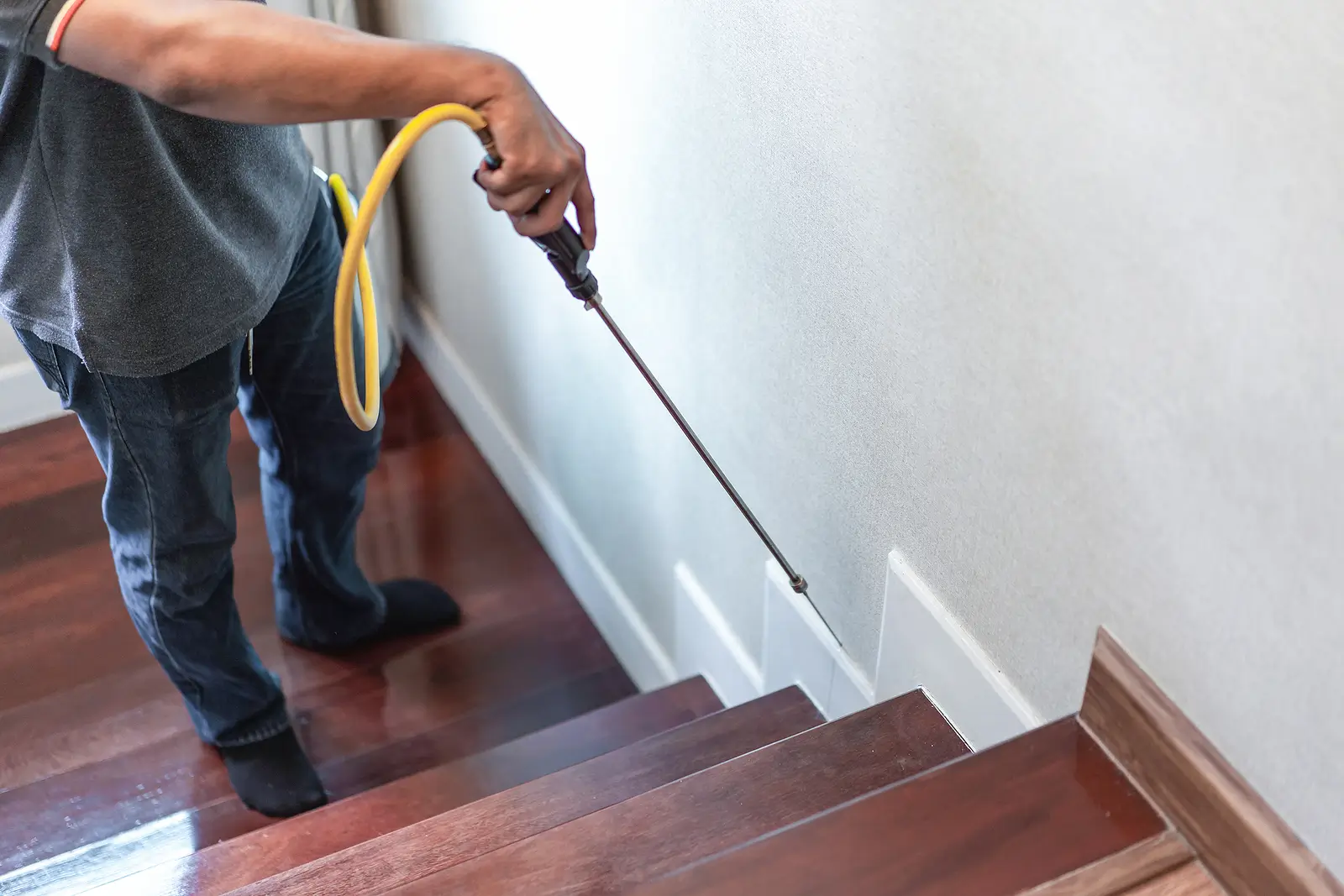
You protect your investment by scheduling preventative treatments, especially in regions with high ant activity. Professional pest control providers apply barrier treatments that stop ants before they enter.
Preventative services also create documentation that shows you acted responsibly if tenant complaints or inspections occur.
Act Quickly When Ants Appear
Even with prevention, ants can still find a way inside. Speed matters.
You should respond immediately to tenant reports by identifying entry points, eliminating attractants, and applying targeted treatments. Delayed responses allow ants to establish trails that become harder to eliminate.
Fast action reassures tenants and prevents minor issues from escalating into ongoing infestations.
Use Ant-Resistant Building Practices During Repairs
Every repair or renovation presents an opportunity to improve pest resistance.
You should seal gaps during flooring replacements, window upgrades, or plumbing work. Installing door sweeps, improving weatherstripping, and sealing wall penetrations during maintenance reduces future ant problems.
Minor preventative upgrades during routine repairs save time and money over the long term.
Document Prevention Efforts and Treatments
Documentation protects you as a landlord.
You should keep records of inspections, pest control services, tenant communications, and repairs related to ant prevention. This documentation helps resolve disputes and demonstrates due diligence if problems persist.
Clear records also help you identify patterns and improve prevention strategies across your portfolio.
Train Your Maintenance Team to Spot Early Signs
Ant prevention works best when everyone involved knows what to look for.
You should train maintenance staff to recognize early warning signs such as ant trails, moisture issues, or deteriorating seals. When your team reports these issues early, you address them before tenants ever notice.
Proactive teams reduce emergency calls and maintain consistent property standards.
Long-Term Benefits of Ant Prevention for Landlords
When you invest in ant prevention, you gain more than pest-free units.
You experience fewer tenant complaints, lower maintenance costs, improved lease renewal rates, and greater property value. Prevention also supports compliance with habitability standards and health codes.
Ant control becomes part of a broader strategy that protects your rental income and reputation.
Frequently Asked Questions
Q1. How often should you schedule preventative pest control for ants?
You should schedule preventative pest control at least once or twice a year, depending on your local climate and ant activity. High-risk areas may benefit from quarterly treatments.
Q2. Are landlords responsible for ant infestations?
Responsibility depends on lease terms and local laws. Generally, landlords handle infestations related to structural issues, while tenant behavior can contribute. Clear documentation and communication help define responsibility.
Q3. Can natural remedies replace professional pest control?
Natural remedies may help with minor issues, but they rarely provide long-term prevention. Professional treatments create protective barriers that natural solutions cannot reliably maintain.
Why Proactive Ant Prevention Protects Your Rental
When you take a proactive approach to pest prevention, you show tenants that your property management standards extend beyond surface-level care. By sealing entry points, managing moisture, maintaining clean landscaping, and responding quickly to early signs of infestation, you reduce disruption and protect long-term rental performance.
This level of consistency is exactly how PropM Inc. supports landlords like you. Through our attentive property oversight and preventative maintenance strategies, we will help you safeguard your rental from avoidable issues like ant infestations while preserving tenant satisfaction and asset value.
When you stay ahead of the most minor details, you prevent the most significant problems before they ever start.
Other Resources:
Furnace Upkeep Tips for Portland Landlords: Common Problems, Odors, and More