


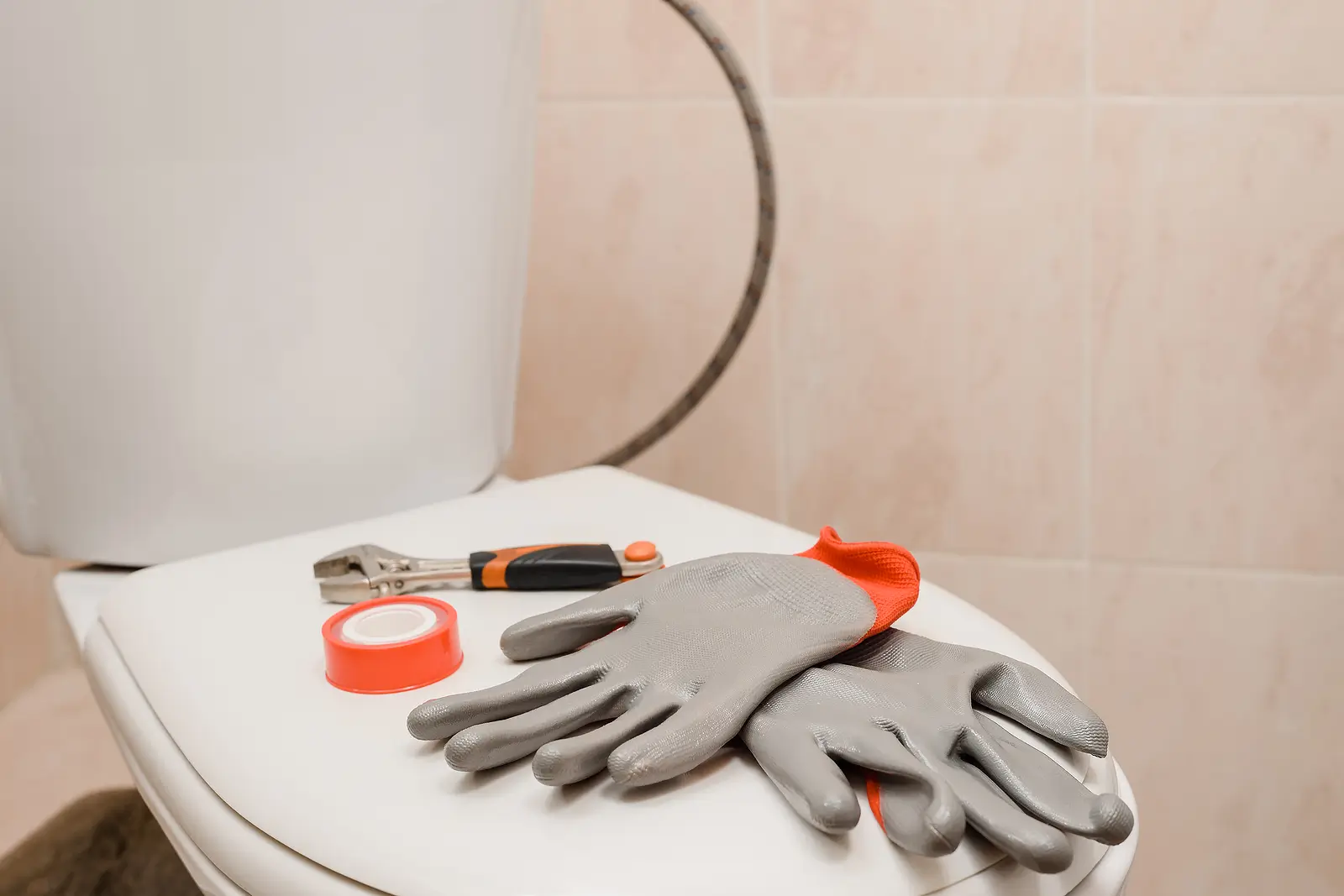
A toilet never waits for business hours. It rebels late at night, during holidays, or the moment you assume your rental property is finally running smoothly. One flush too many, and suddenly water surges up the toilet bowl as if it has somewhere urgent to be. Floors glisten with standing water, tenants panic, and a minor inconvenience becomes a full-scale emergency.
Toilet water emergencies demand immediate action. How you respond in the first minutes determines whether the situation becomes a manageable repair or a costly disaster involving water damage, health risks, and tenant disputes.
This guide explains how to take control when toilets overflow, where plumbing failures usually begin, and why fast, informed decisions protect your rental property, your tenants, and your long-term investment.
Key Takeaways
Acting quickly during toilet water emergencies limits water damage, health risks, and repair costs
Knowing how to shut off the water supply and assess plumbing issues protects your rental property
Professional plumbing support and proactive maintenance reduce repeat emergencies and liability
What Qualifies as a Plumbing Emergency in a Rental Property
A plumbing emergency occurs when water escapes the plumbing system uncontrollably or when waste flows back into the property. Overflowing toilets, burst pipes, sewage backups, and broken water lines all qualify because they threaten safety, health, and the building's structural integrity.
In these situations, you cannot wait for routine maintenance. Water spreads rapidly, damaging floors, walls, and fixtures far faster than most landlords expect. Immediate emergency repairs protect your property, your tenants, and your legal liability.
Early Warning Signs Start in the Toilet Bowl
The toilet bowl often shows the first visible signs of a severe plumbing issue. Water rising close to the rim, slow draining after flushing, or waste backing up indicate a problem that needs immediate attention.
When tenants report these symptoms, instruct them to stop flushing immediately. Toilet paper buildup, clogs, or pressure changes can turn a manageable issue into a full bathroom flood within minutes.
Health Risks Associated With Toilet Water Emergencies
Toilet water emergencies carry significant health risks, especially when black water enters the living space. Black water contains bacteria, viruses, and harmful pathogens that threaten tenant health and safety.
Standing water also creates ideal conditions for mold growth, which can quickly make a unit uninhabitable. Every sewage-related overflow should be treated as a health emergency. Rapid cleanup, proper repairs, and professional sanitation reduce exposure risks and prevent long-term damage.
How the Toilet Tank Often Causes Hidden Flooding
The toilet tank is a common source of leaks that landlords frequently overlook. Cracked tanks, loose fill valves, and damaged float balls disrupt water flow, leading to constant running or sudden flooding.
Removing the tank lid allows you to visually assess the issue. If water continues rising, manually lifting the float ball or shutting off the water supply immediately limits damage until professional help arrives.
Why Toilet Emergencies Threaten Your Rental Property Investment
Your rental property is an investment, not just a structure. Toilet water emergencies jeopardize property value, tenant trust, and long-term returns. Water damage spreads through flooring, walls, and adjacent units, increasing restoration costs and insurance complications.
When emergencies occur, document the damage, assess the scope, and communicate clearly with tenants. Proper handling protects you from disputes and supports insurance claims.
Emergency Repairs Require Immediate Prioritization
Emergency repairs differ from routine maintenance because delays compound damage. You must prioritize stopping active leaks, flooding, or sewage flow before addressing cosmetic concerns.
Fast repairs prevent mold growth, reduce restoration costs, and keep the property habitable. What starts as a minor plumbing issue can become an expensive reconstruction project if ignored.
Knowing Where to Shut Off the Water Supply Saves Thousands
Every landlord should know the exact location of the water shut-off valve for each rental unit. Turning off the water supply immediately stops flooding and buys valuable time.
Educating tenants on where the shut-off valve is located further reduces damage when you cannot reach the property right away. Fast access limits losses and shortens recovery time.
Water Line Failures and Burst Pipes Escalate Damage Quickly
A damaged water line creates pressure issues, hidden leaks, and sudden flooding behind walls. Burst pipes often occur during colder months when temperatures drop, and pipes freeze.
If you suspect a broken water line, shut off the water supply immediately and contact a professional plumber. Temporary fixes rarely hold under pressure and often worsen the damage.
Overflowing Toilets and Sewer Line Issues
Overflowing toilets are often caused by clogs, excessive toilet paper use, or problems with the main sewer line. When waste and water rise instead of draining, the risk escalates rapidly.
Instruct tenants to stop using the toilet and avoid repeated flushing. Each flush increases contamination and spreads wastewater further into the property.
Sewage Backups Are the Most Dangerous Plumbing Emergency
Sewage backups represent the most serious toilet water emergency. Waste flowing backward through drains exposes tenants to black water and severe health risks.
A clogged or damaged main sewer line is often the cause. Professional plumbing assistance is required immediately, and access to affected areas should be restricted to protect tenant safety.
Common Causes of Toilet Water Emergencies
Several recurring issues trigger plumbing emergencies in rental properties:
Excessive toilet paper or foreign objects flushed down drains
Aging plumbing systems and deteriorating pipes
High water pressure stresses fixtures
Winter freezing without adequate heat
Delayed maintenance requests
Understanding these causes helps you prevent repeat emergencies and protect your investment.
How to Act Fast and Contain Water Damage
When a toilet water emergency occurs, act immediately. Shut off the water supply, stop usage, and contain standing water with towels or buckets if it is safe to do so.
Assess visible damage and determine whether professional repairs are required. Never delay action when sewage or uncontrolled water flow is present.
When to Call a Professional Plumber
You should contact a professional plumber for burst pipes, sewage backups, persistent leaks, or suspected hidden damage behind walls. Licensed plumbers have the tools and expertise to resolve issues safely and correctly.
Attempting complex repairs yourself increases liability and often leads to additional damage.
Tenant Communication and Safety During Emergencies
Clear communication keeps tenants calm and cooperative. Provide instructions, restrict bathroom access if needed, and explain repair timelines honestly.
Prioritizing tenant health and safety builds trust, reduces complaints, and limits legal exposure.
Frequently Asked Questions
Q1. Can tenants deduct emergency plumbing repairs from rent?
Local laws vary, but tenants typically need written notice and documentation. Prompt landlord response reduces disputes.
Q2. Does insurance cover toilet water damage?
Coverage depends on the policy and cause. Sudden pipe failures may qualify, while neglect-related damage may not.
Q3. How long can a bathroom remain unusable?
Habitability laws require timely repairs. Extended outages may need temporary accommodations.
Turn Plumbing Emergencies Into Confidence, Not Chaos
Toilet water emergencies test how well you manage your rental property under pressure. Prompt action, clear communication, and professional support protect your investment, your tenants, and your peace of mind.
At PropM Inc., we help landlords address emergencies before they escalate. With proactive maintenance strategies and fast response systems, we turn chaos into control.
Other Resources:
LED vs Traditional Lighting: What’s Best for Rental Property Kitchens?
Furnace Upkeep Tips for Portland Landlords: Common Problems, Odors, and More