


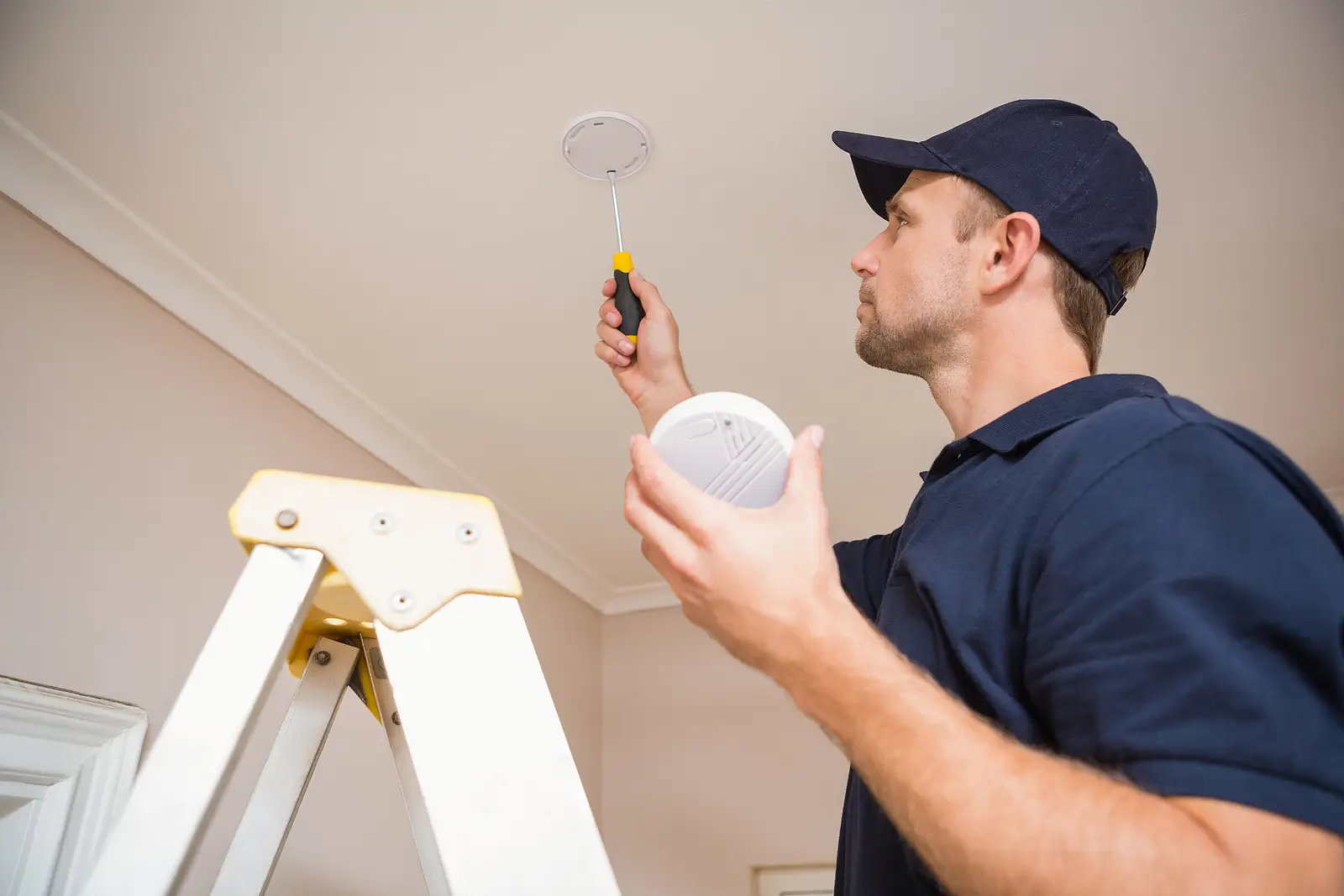
Some sounds define a home: the hum of a fridge, the creak of floorboards, and the laughter of tenants. And then there’s that sound: the relentless, soul-piercing chirp of a smoke detector in the middle of the night.
It’s the universal landlord alarm, one short beep that turns into a long list of calls, texts, and frustrated tenants.
But behind that chirp lies a story of safety, compliance, and sometimes, neglect. A single smoke alarm can save lives or cause chaos depending on how well it’s maintained.
As a landlord, it’s your job to silence the noise before it becomes a problem to fix, replace, and prevent issues long before they start. In property management, the quietest homes are often the safest ones.
Key Takeaways
A chirping smoke detector can signal low batteries, end-of-life warnings, or wiring issues, all of which require immediate attention.
Landlords are required to maintain working smoke and carbon monoxide alarms to comply with health and safety regulations.
Regular inspections and replacements prevent false alarms, keep tenants safe, and protect property value.
Why Smoke and Carbon Monoxide Detectors Matter in Rentals
Every second counts in a fire or carbon monoxide emergency. As a landlord, you’re responsible for ensuring every unit you manage has working smoke and carbon monoxide alarms installed and tested.
These devices save lives, and failure to maintain them can result in penalties, health department violations, or worse, preventable tragedies.
The First Thing to Do When You Hear Chirping
When that beeping starts, please don’t ignore it. The first step is to identify the device that is making the sound.
A single chirp every minute typically indicates a low battery, while three beeps in a row signify a real alarm, possibly due to fire or carbon monoxide.
Different Types of Smoke Detectors Explained
You’ll likely encounter two different types of smoke alarms in your rental units:
Ionization smoke detectors Are Best Suited for detecting fast, flaming fires.
Photoelectric smoke detectors: Better at sensing slow, smoldering fires.
Modern landlords often install combination smoke and CO alarms to cover both hazards in one device.
Carbon Monoxide Detectors: The Silent Guardians
Carbon monoxide detectors protect tenants from an invisible, deadly gas released by gas appliances, furnaces, or water heaters.
Every apartment, garage, and area with fuel-burning equipment should have a carbon monoxide alarm installed, tested, and replaced as required.
How to Stop a Smoke Detector from Chirping: A Landlord’s Guide
Here’s a quick action plan to quiet that chirping and maintain compliance:
Identify which alarm is sounding.
Press the silence button temporarily if possible.
Replace the batteries or consider replacing the unit if it has reached the end of its life.
Test the detector afterward to ensure it’s working as a smoke detector.
If you manage several rental units, note the replacement date and maintain consistent maintenance logs.
Common Causes of Chirping
A chirping detector might not mean danger, but it always means something needs your attention. The most frequent culprits are:
Low battery or incorrect battery placement
Dust buildup is blocking the sensor
End-of-life alerts
Wiring issues in interconnected systems
Routine cleaning with a vacuum and inspection can prevent many nuisance alarms.
Nuisance Alarms and False Alerts
False alarms, often triggered by steam, dust, or cooking smoke, frustrate tenants and desensitize them to real alerts.
If you’re concerned about frequent nuisance alarms, consider installing photoelectric smoke detectors, which are less likely to trigger false alarms from everyday kitchen activities.
When Changing Batteries Isn’t Enough
Sometimes, changing batteries won’t stop the beeping. If the sound persists, check the wiring and connection.
Hardwired systems may need an electrician to inspect or rewire faulty circuits, especially in older houses or multi-unit buildings.
When to Replace Smoke and CO Alarms
Most smoke detectors and carbon monoxide alarms have a life expectancy of 7–10 years. Look for the manufacturer's date on the back of the unit.
If the light flashes or the device signals “replace,” it’s time for a new one — don’t wait for a tenant to notify you.
Landlord Responsibilities Under the Lease Agreement
Your lease agreement should clearly state that tenants must notify landlords of any beeping, malfunction, or alert.
In turn, you must respond promptly, inspect, and replace any non-functioning detectors. Safety compliance isn’t optional — it’s the law.
Tenant Cooperation and Communication
Educate tenants during move-in. Make them aware of the sounds each alarm makes and how to use the silence feature safely.
Please encourage them to test detectors monthly and report any concerns through your maintenance notice system.
How to Prevent Future Chirping and Alarms
Proactive maintenance reduces long-term costs and complaints.
Inspect detectors twice yearly.
Use the same brand across all units for consistency.
Vacuum around alarms to clear dust and prevent nuisance triggers.
Keep batteries stocked and ready.
These small steps ensure your properties remain safe, compliant, and tenant-friendly.
When to Call the Fire Department or Non-Emergency Line
If a tenant hears three beeps or a continuous alarm, instruct them to exit immediately and call the fire department.
For ongoing beeping or unclear issues, call the non-emergency line or local fire services for professional guidance.
What the Health Department Expects from Landlords
Local health departments often require proof of regular safety checks for smoke alarms and carbon monoxide detectors.
Keeping inspection records, receipts, and replacement notes ensures you’re ready for audits and protects you from legal risk.
Avoiding Dangerous Situations in Rental Units
Faulty detectors aren’t just inconvenient — they’re dangerous. Gas appliances and old furnaces can emit harmful gases without being noticed.
Stay vigilant by scheduling annual inspections and maintaining cover plates and wiring to prevent faulty triggers.
Educating Tenants About Alarm Sounds
Provide tenants with a quick reference guide:
Three beeps = Fire or carbon monoxide emergency.
Single chirp = Low battery or maintenance issue.
Continuous alarm = Evacuate and call emergency services.
By keeping occupants familiar with their devices, you reduce panic and ensure swift, safe responses.
FAQ: Quick Answers for Landlords
1. How do I verify if my smoke detector is working correctly?
Press the test button on each unit monthly. If it doesn’t beep, it’s time to replace the device or check the wiring.
2. Should I install smoke and CO detectors in the garage or near the furnace?
Yes, detectors near furnaces, water heaters, and garages provide early warnings for smoke and carbon monoxide leaks.
3. What if tenants keep removing batteries or disabling alarms?
Reinforce safety rules in the lease and conduct routine inspections. If issues persist, include penalties for tampering in the agreement.
Keep Your Rentals Safe
A quiet alarm doesn’t always mean a safe home, but a properly maintained one does. Staying on top of smoke and carbon monoxide alarms safeguards your property, tenants, and reputation.
If you want expert help maintaining compliance and ensuring every unit meets code, partner with PropM, Inc., your trusted property management specialists. We handle installations, inspections, and tenant coordination so you can focus on growing your portfolio with confidence.
Don’t wait for that next chirp to wake you up. Make your property safer, quieter, and worry-free with PropM Inc.
Other Resources:
Emergency or Not? A Landlord's Guide to Handling Maintenance Requests in Portland
Why You Should Offer Laundry Services as a Rental Amenity for Tenants